Gondola shelving basics: sizes, capacity, and what to buy
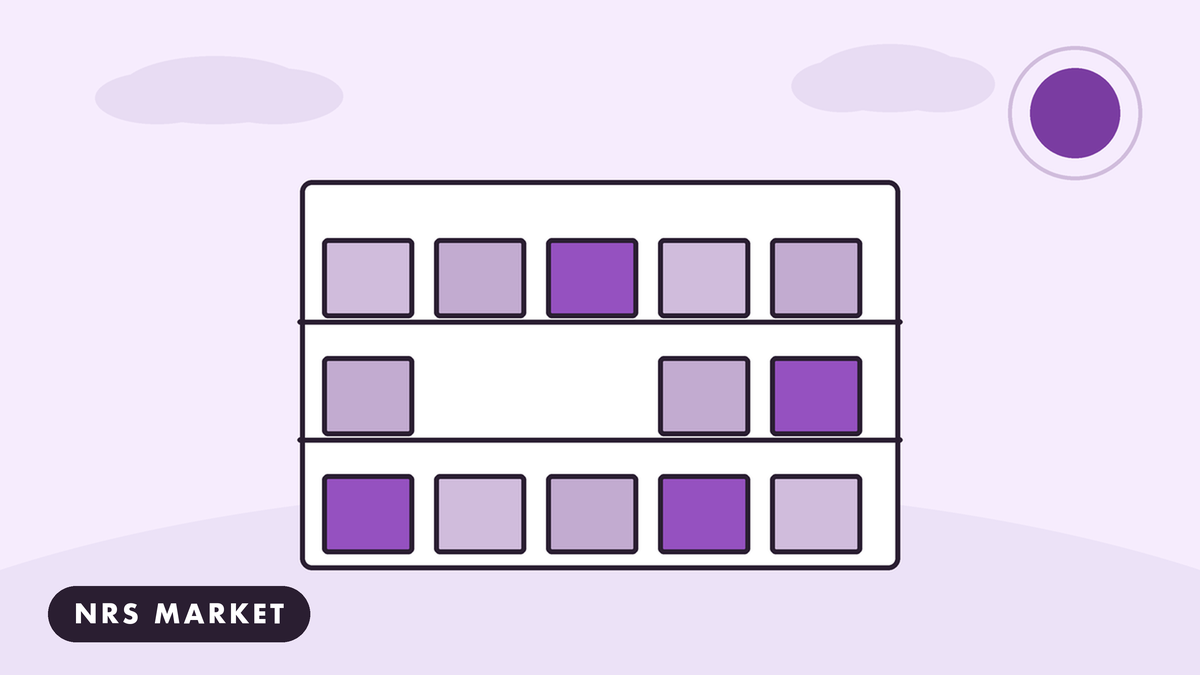
Gondola shelving is the standard freestanding retail fixture: a base, an upright frame, and shelves that hook into slots so they can be moved. Almost every small-format store runs on it, and almost every owner buys it once, which is why the vocabulary matters more than it should.
Getting the sizes right at order time is most of the job, because a gondola that does not fit is expensive to discover.
What are the parts called?
A base or base deck, which sits on the floor and carries the load. Uprights, the vertical posts with slots. A back, which is either pegboard, slatwall or plain panel and determines what you can hang. And shelves, which cantilever off the uprights at whatever height the slots allow.
A run is several sections joined together sharing uprights, which is cheaper than the same length in separate units and is the normal way to buy.
Which dimensions actually matter?
Three. Height, which sets sightlines and how much you can merchandise. Base depth, which decides how much floor the run takes and how heavy an item it holds. And shelf depth, which usually steps down as the shelves go up.
Height is the one owners regret. A tall run holds more and blocks the view across the store, and in a small shop the view is a security control and a customer-comfort feature at once. Lower fixtures in the middle of the floor and taller ones against walls is the usual resolution.
What about capacity?
Shelves carry a rated load and it varies by depth and gauge. Liquids, tinned goods and anything sold by weight will find the limit of a light-duty shelf, and a sagging shelf is both ugly and a hazard.
Buy for what you will actually put on it. Under-specifying to save a little is the most common false economy in the category, and the consequence arrives slowly as a visible bow.
How does the back panel decide what you can merchandise?
Completely. A pegboard back takes hooks, which suits hanging accessories and small packets. A slatwall back takes brackets, hooks and shelves in a different system. A plain back takes nothing but the shelves themselves.
Decide this before ordering, because changing it later means replacing panels. A store selling phone accessories or similar hanging goods will want peg capability on at least part of the run.
What is the difference between wall and island units?
Wall units are single-sided and usually taller; island or gondola runs are double-sided and belong in the middle of the floor. The double-sided unit is the one that creates aisles, and its height is what decides whether your store feels open or boxed in.
Ends of runs — end caps — are the highest-value real estate in the store and should be planned as part of the order rather than treated as leftovers.
What is worth buying used?
Frames and uprights, often, because they are steel and they last. Bases and shelves are more variable, and mismatched slot patterns between manufacturers are the trap: shelves from one system frequently will not hook into uprights from another.
If buying used, buy a complete matching lot rather than assembling from several sources, and check the slot pattern before the price.
What should you measure before ordering?
The floor, the ceiling height, the door you have to bring it through, and the turning space at aisle ends. The door is the one that gets forgotten, and a base deck that will not fit through the entrance is a memorable afternoon.
Also measure what your aisles need to be. A store with a cart or a delivery to move needs more width than one where customers carry a basket, and shaving an aisle to add a run is a decision that shows up in how the store feels every day afterwards.
Frequently asked questions
How tall should shelving be in a small store?
Low enough that a cashier can see across the floor, which usually means the middle of the room stays lower than the walls. That is a security decision and a comfort decision, not just a capacity one.
Can I mix manufacturers?
Usually not within a run, because slot patterns and bracket profiles differ. Across separate runs it is fine, though it complicates spares.
How do I stop shelves sagging?
Match the shelf rating to the load, shorten the span if you can, and do not put the heaviest goods on the deepest, highest shelf. Sagging is nearly always an over-loaded light-duty shelf rather than a fault.
Do gondolas need to be anchored?
Tall units and anything in a public space generally should be secured, and local requirements may apply. It is a safety question worth asking your supplier and your local authority rather than assuming.
What depth should the base be?
Deeper bases hold more and eat floor. For a small-format store, a moderate base with deeper bottom shelves and shallower upper ones is the usual compromise.
How much aisle width do I need?
Enough for two people to pass and for whatever you move stock with, and accessibility requirements may apply to your premises. The ADA small-entity guidance is the starting point for the accessibility side.
Is it worth planning the layout on paper first?
Yes, at scale, including the door swing and the register. An hour with a tape measure and squared paper prevents the expensive discovery that the run you ordered leaves no room to open the cooler door.
Stocking your store? Start at nrsmarket.com or browse store supplies.