Counter layout for speed: where everything should sit
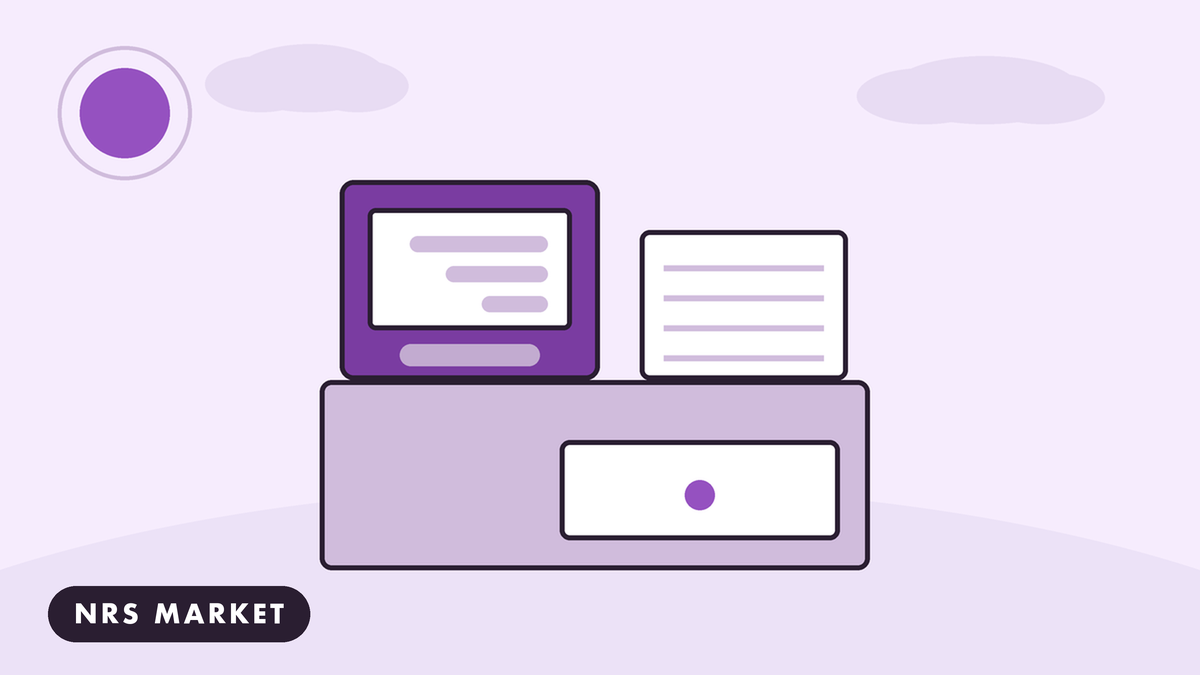
A checkout counter has five jobs and most small-store counters do them in whatever order the equipment arrived. Items have to land somewhere, be scanned or keyed, be paid for, be bagged, and be handed over. When those five zones fight each other, the cashier compensates with extra reaches and the queue absorbs the cost.
Rearranging costs nothing and is frequently worth more than new equipment.
What are the five zones?
Landing, scan, pay, bag, hand-off. Landing is where a customer puts goods down. Scan is where the reading happens. Pay is where the terminal and the drawer are. Bag is where bags are opened and filled. Hand-off is where the finished purchase goes.
They should run in one direction, consistently, and each should have its own space. A counter where bagging happens in the landing zone jams every time a second customer arrives.
Which direction should the counter run?
Whichever direction customers already walk, which is usually decided by the door. Fighting the natural flow means customers put goods down on the wrong end and the cashier reaches across every sale.
Watch ten customers before deciding. The direction they instinctively approach from is the answer, and it is rarely the direction the counter was built for.
What is the most common mistake?
The terminal on the cashier's side. A payment device that the customer cannot reach means the cashier handles the card, turns the device, or passes it back and forth — three motions instead of none, on every card sale.
Customer-facing terminals fix this for the cost of a mount. Given how many sales are now card, it is the single highest-value change on most counters.
Where do bags belong?
Within the cashier's reach without turning, and in a stand or rack rather than a stack. One-handed bag opening is the slowest motion at most counters, and a rack removes it entirely.
Keep the bag stock underneath rather than on the surface. Counter space is the scarcest resource at a checkout and it should be holding goods, not supplies.
What about the impulse merchandising?
It belongs in the queue, not on the transaction surface. Impulse product placed where goods land competes with the sale itself and slows everything down while the cashier moves it.
The best impulse position is where a waiting customer's hands are free, which is beside the queue rather than at the register. That distinction is worth a walk-through with a tape measure.
What should be within arm's reach?
Receipt paper, a pen, bags, the drawer, the terminal and a cloth. Nothing else. Everything a cashier needs several times an hour should be reachable without stepping, and everything else should be somewhere else entirely.
Walk the counter and count the steps in one transaction. A cashier taking four steps per sale on a hundred-sale shift is walking a long way for no reason, and the fix is usually moving one item.
What does the customer side of the counter need?
Somewhere to put a bag down, somewhere to reach the terminal without leaning, and nothing sharp or fragile at elbow height. Most counters are designed entirely from the staff side, and the customer's experience of the transaction is decided by the six inches in front of them.
Stand on the customer side for a minute at a busy hour. The things that are awkward from there are the things that slow a queue.
How does the counter affect security?
More than most owners realise. The cashier's line of sight from the register decides what the store can see, and a counter that faces a wall or a fixture gives up most of the floor. Money and high-value goods should sit behind the cashier rather than beside the customer.
Where possible, the register should see the door. That single sightline is worth more than most of the hardware sold as loss prevention. Counter fittings and mounts sit in store supplies with the rest.
Frequently asked questions
How much counter length does a small store need?
Enough for a typical basket to land plus a bagging area, which is more than most counters have. Where length is fixed, a shelf below for bags and supplies buys back the surface.
Should the drawer be under the register?
Under and to the cashier's dominant hand, opening away from the customer. A drawer that opens toward the public is a small risk taken on every transaction.
What height should a counter be?
Comfortable for someone standing for a shift, which is usually a little lower than people build them. Accessibility requirements may apply to at least one point of service; the ADA small-entity guidance covers the basics.
Do customer-facing displays help?
They reduce disputes about totals and they are trusted more than a verbal figure. For a store with a language mix among its customers, they help considerably.
Where should the phone go?
Off the transaction surface, and reachable without leaning across goods. A phone in the bagging zone is answered with one hand while the other holds a bag, which is how calls get taken badly.
How do I test a layout change?
Tape the new positions down and work a shift before fixing anything. An arrangement that looks right at nine in the morning can be wrong at six in the evening, and tape is reversible.
What is the cheapest improvement?
A bag rack and a customer-facing terminal mount. Together they cost very little and remove the two slowest motions at a typical counter.
Stocking your store? Start at nrsmarket.com or browse store supplies.